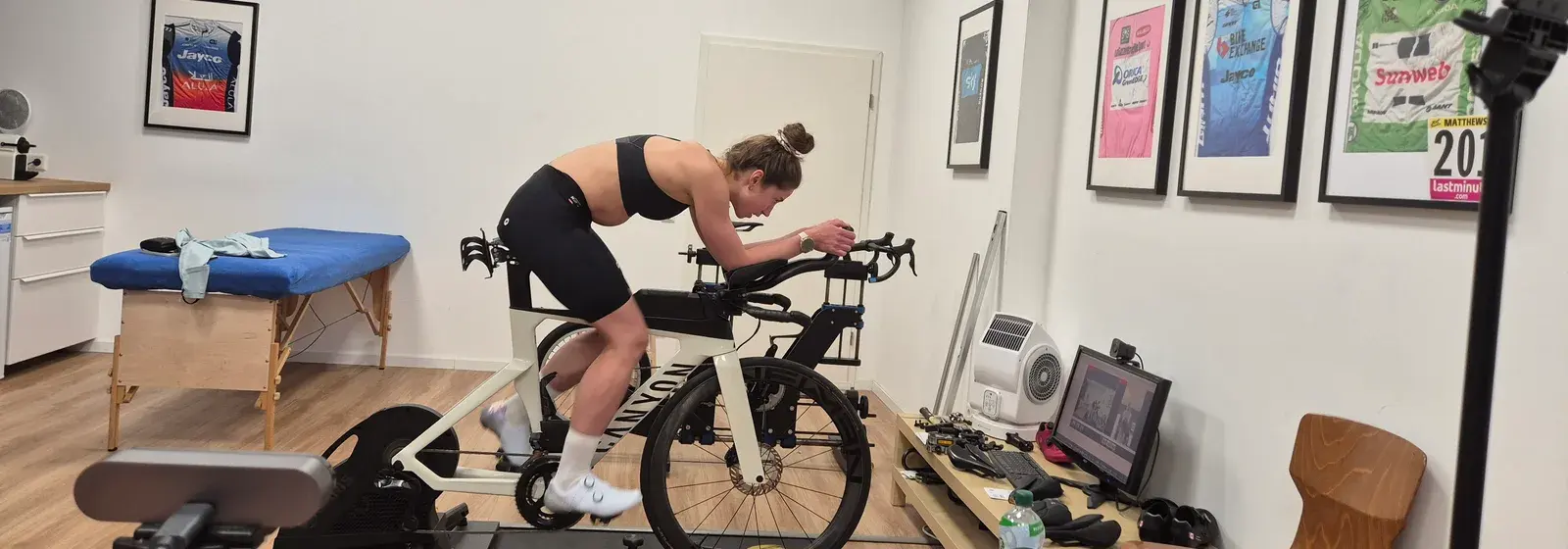
Gravel bike fitting is about not forcing comfort and control to fight each other. On mixed terrain you need a position that stays efficient on smoother roads and still gives you calm support, trust and handling when the surface gets rough.
That is why gravel is not simply road fitting with bigger tyres. I look at vibration, hand load, pelvic support and how your setup behaves on the kind of long mixed rides you actually do.
Why gravel needs different priorities
On a gravel bike, vibration, changing hand positions and longer loading times affect the body differently than on the road. A setup that feels acceptable on a short road spin can become unstable very quickly on rougher ground.
So this service is not only about comfort. It is about control, calm contact points and enough support that you can keep pedalling and steering cleanly when the surface changes.
-
less pressure on hands, shoulders and neck
-
more pelvic calm on long rides
-
cleaner knee tracking under changing load
-
more stable foot support for long days in the saddle
-
more confidence on loose or technical surfaces
How I structure the session
I begin with your movement and with the question of where your current bike stops supporting you under real load. Then I work through saddle, cleats, cockpit and hand positions in the order that matters most for control and pressure distribution.
The result should not only look athletic. It should stay reliable on long gravel rides and changing terrain.
- movement review with a focus on stability and control
- on-bike analysis under realistic load
- saddle support and pelvic calm for long rides
- cleat and foot support for cleaner pressure distribution
- cockpit and control-point logic for changing surfaces
- fit report with the final numbers
Why this gravel work is more than a comfort check
I have worked across fitting, riding and product decisions inside cycling for many years. That matters on gravel because the real problem is often not one single contact point, but the way support breaks down over time when surfaces, vibration and hand positions keep changing.
My role is to judge which changes improve control and which ones only mask the problem for a short part of the ride. That keeps the session focused on support you can actually trust on mixed terrain.
For you, that means a setup that is calmer and more usable over distance, not just one that feels acceptable for the first few minutes.
Which page makes more sense next
If your riding is mainly classic road riding on a road bike, the Road Bike Fitting page is the better match. If you are entering from recurring symptoms or instability first, the symptom-led problem page is often the clearer starting point.