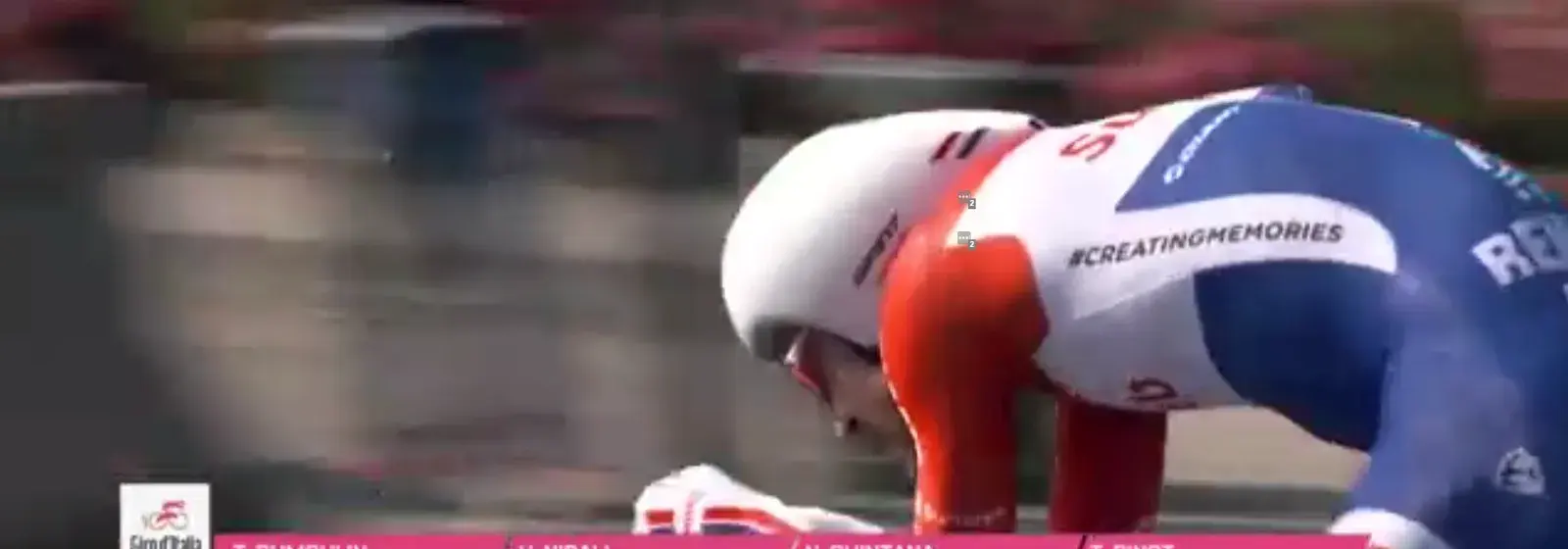
Aero bike fit is not a contest to force the front end lower at any price. It is the targeted optimization of a position that is already broadly workable, so drag drops without stability, breathing quality or pedal support falling apart.
That is why this is a specialization step. I use it when the base position already makes sense and the next real gain comes from focused aero work rather than from rebuilding the whole setup.
When aero is the right next step
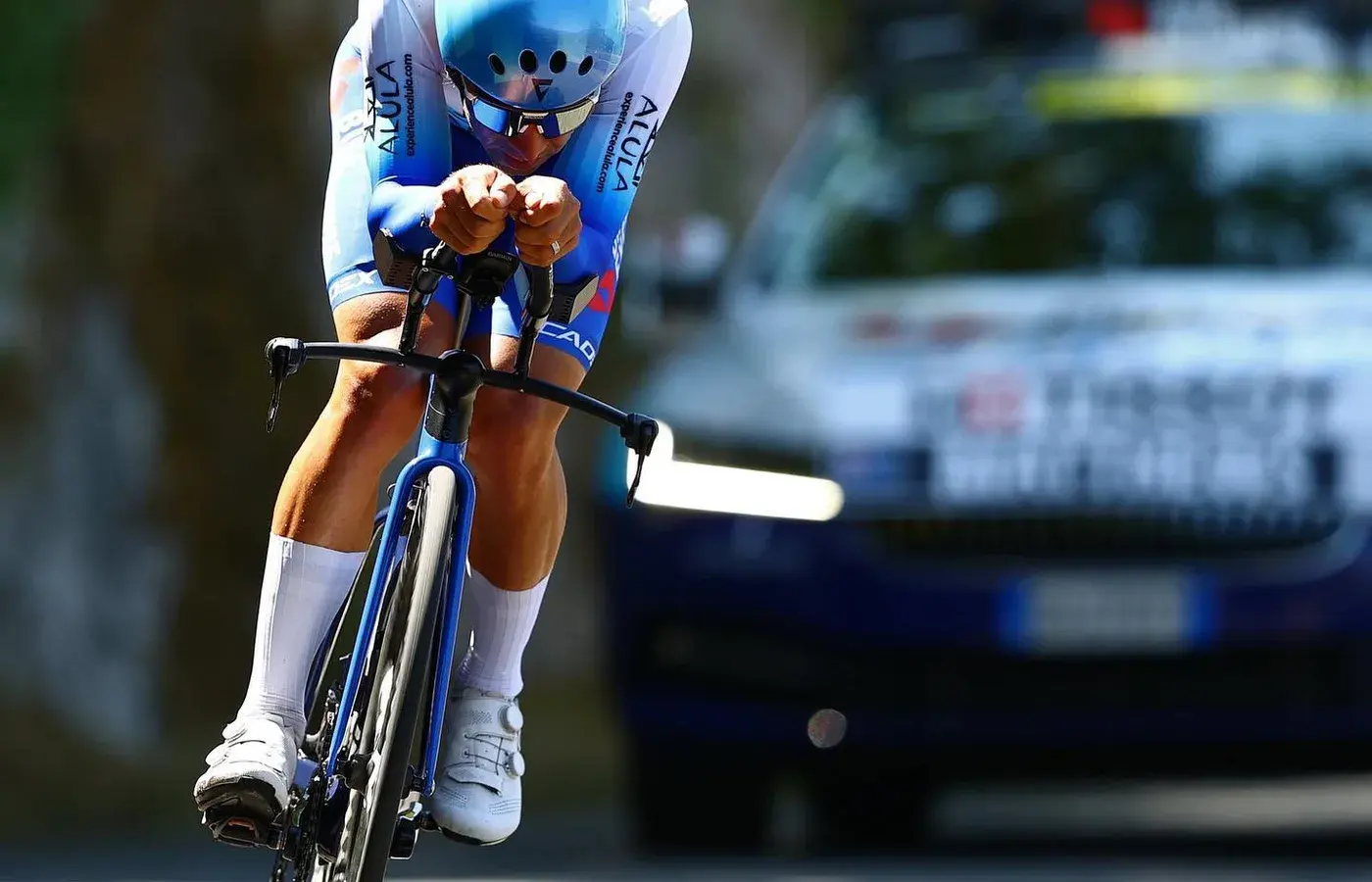
This page is for riders whose base position already works reasonably well and who now want to use aerodynamic potential more cleanly. If you still have obvious discomfort, instability or unresolved setup questions, Bike Fitting, Road Bike Fitting or Triathlon Bike Fitting are usually the better first step.
Aero work makes sense when the position does not only look low, but can also stay calm and repeatable under real load.
-
you want to reduce drag in a targeted way
-
your current position is already broadly supportable
-
you want more calm at the front end and upper body at speed
-
you want aero gains without losing breathing quality or control
-
you need clear priorities instead of random low-front-end experiments
How I judge aero gains properly
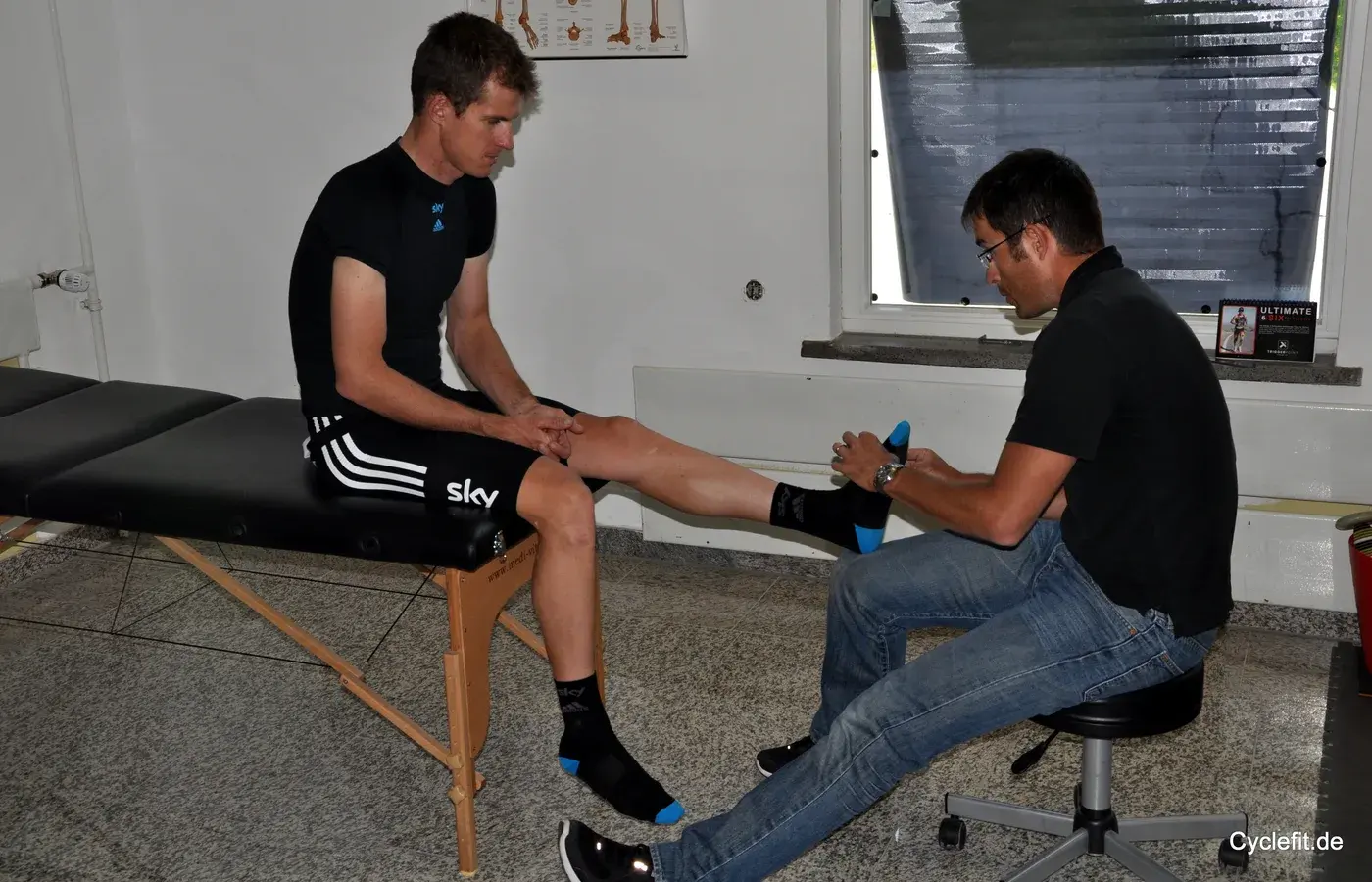
I start with your current position and look at where stability, breathing or pelvic control are actually limiting the outcome. Only then do we decide which changes to saddle position, cockpit or front end make aerodynamic and functional sense together.
That helps avoid the standard trap: a position that looks faster in a photo but cannot be held properly outside.
- analysis of the current position under load
- judging stability, breathing quality and pressure transfer
- changes to saddle, cockpit or front end in sensible order
- trade-off management between aero gain and support loss
- clear target numbers for the next stage of setup work
Why this aero work is judged carefully
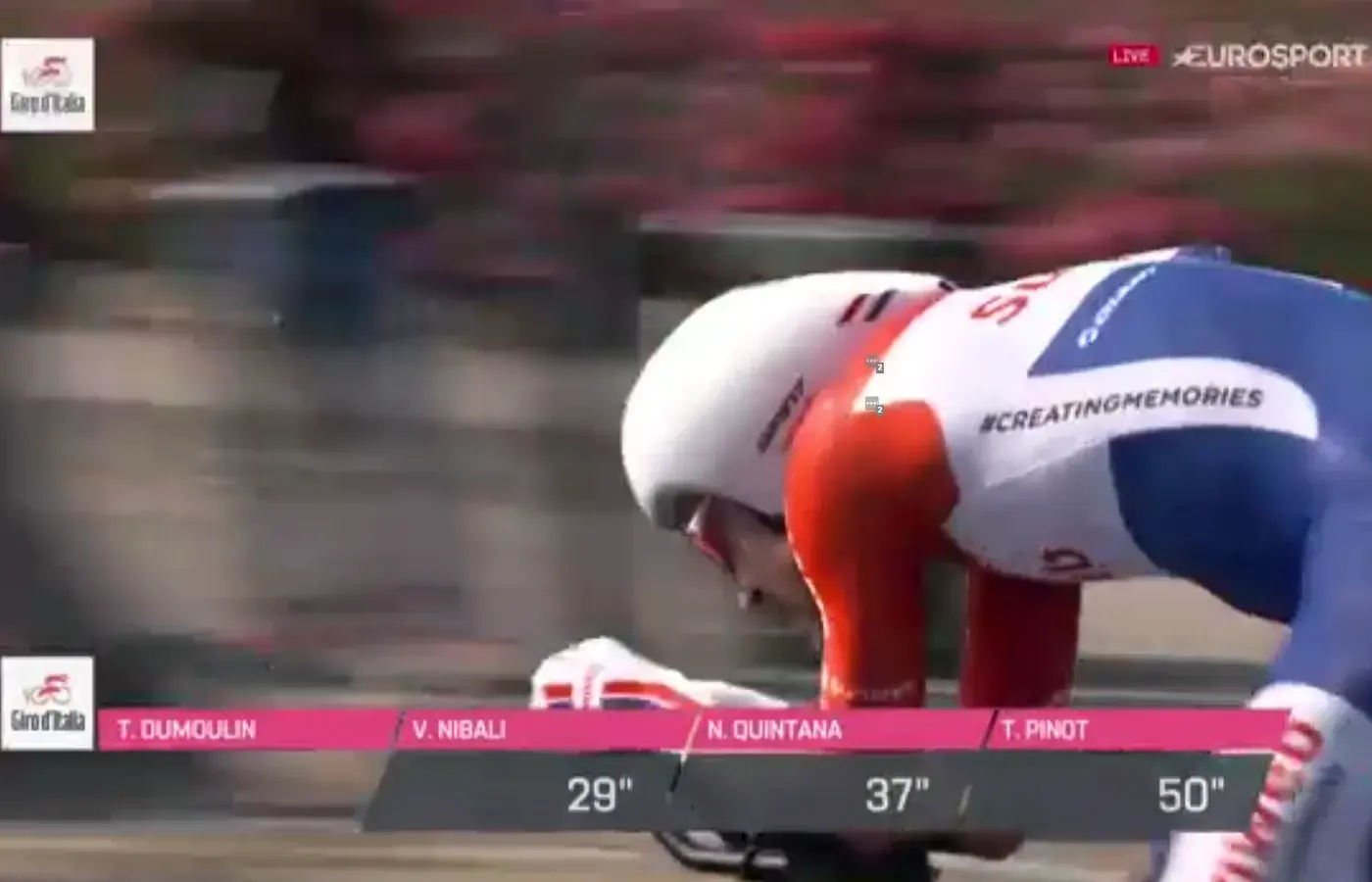
I have worked across racing, fitting and product development inside cycling for many years. That matters here because aero decisions go wrong when a position is judged only by appearance instead of by what the rider can actually support under load.
My job is to separate a real aerodynamic gain from a position that only looks faster for a moment. That means using experience to protect stability, breathing quality and repeatable control while still looking for meaningful drag reduction.
For you, that means fewer random experiments and a clearer next step. The goal is a position you can actually ride, not just one that photographs well.
When another page is the better start
If you ride a triathlon or TT bike with aerobars, the Triathlon Bike Fitting page is usually the cleaner entry point. If your road bike first needs to become comfortable and supportable, start with Road Bike Fitting instead.